
Selling a house with tenants: what actually works when your property is already occupied
A friend of mine called me last spring, genuinely panicked. She owned a duplex in a mid-sized city, both units rented, and she needed to sell within four months because of a family situation. Her first instinct was to wait for the leases to end. Her second instinct was to hand the tenants notice and hope for the best. Both instincts were wrong for her situation, and it took us about three weeks of back-and-forth before she landed on the approach that eventually closed the sale.
That's the thing about selling a house with tenants in place: there's no single playbook. But there is a way to think about it that keeps you out of court and out of the price-cutting spiral that eats most landlords who panic-sell.
Key takeaways
- You can sell a rental property at any point during a lease term — the lease travels with the property to the new owner in most cases.
- Investor buyers often pay more for an occupied unit with a reliable tenant than for an empty one.
- Occupied homes typically sell to a much narrower pool of buyers, which can stretch your timeline by weeks or months.
- Your biggest risk isn't the sale itself — it's mishandling the tenant relationship during showings and negotiations.
- Cash-for-keys agreements work, but only when they're structured carefully and put in writing.
Is it harder to sell a house with tenants in it?
Yes — but not for the reason most people assume.
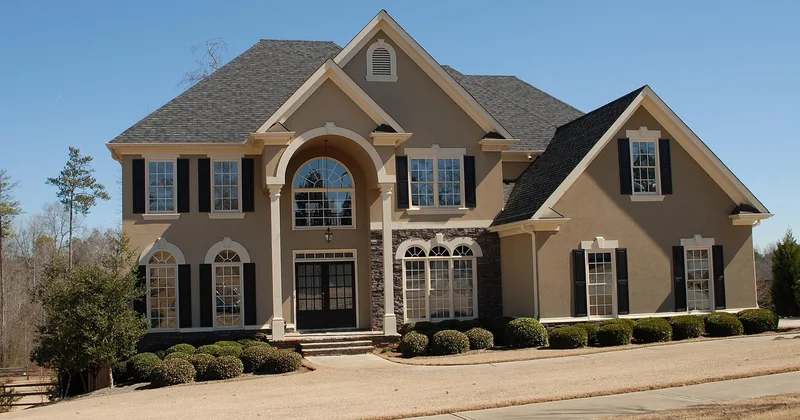
The difficulty isn't legal. It's demographic. When you list an occupied rental, you're effectively cutting your buyer pool down to two groups: investors who want the income stream already running, and owner-occupants who are willing to inherit a tenant and wait out the lease. That second group is small. Most people buying a home to live in want it empty on day one.
What surprises landlords is that the first group — investors — can be easier to work with than a typical retail buyer. An investor buying a tenant-occupied property skips the marketing, skips the vacancy period, and starts collecting rent immediately. That has real value, and some will pay a premium for it.
The two-buyer-pool problem
Here's how I'd frame it. Imagine two identical houses on the same street. One is vacant and staged. The other has a tenant paying on time with a lease that runs another eight months. The vacant one will generate more showings and more offers — that's just math. The occupied one will generate fewer but potentially higher-quality offers from people who understand what they're buying.
Which one nets you more? It depends entirely on your local rental market. In a city where cap rates are tight and investors are hungry, occupied properties move fast. In a city where most buyers are owner-occupants, an occupied listing can sit for months.
What "harder" actually means in practice
Practically, it means three things:
- Your listing photos will look lived-in. You cannot stage a home where someone's kids are eating breakfast.
- Showings have to be scheduled around the tenant's life, and in many jurisdictions you owe them written notice — often 24 to 48 hours depending on where the property sits.
- Any buyer who wants to move in will factor in the cost of waiting out the lease, or paying the tenant to leave.
None of that is fatal. It's just friction, and friction has a price.
The 50% rule in rental property — what it means for your sale price
If you've spent any time around rental investing forums, you've run into the 50% rule. It's a rough underwriting shortcut: operating expenses on a rental typically eat about half of gross rent before the mortgage is factored in.

That half covers property taxes, insurance, maintenance, vacancy allowance, property management, and repairs. It's not precise. It's a screening tool investors use to see whether a deal is even worth a deeper look.
How investors use it against your asking price
Here's where it gets uncomfortable. An investor looking at your occupied property will run something like this in their head: if the unit rents for $2,000 a month, gross annual income is $24,000. Apply the 50% rule, and you're at roughly $12,000 in net operating income before debt service. Apply a target cap rate — which varies wildly by market — and they back into a maximum offer.
Your asking price and their maximum offer often don't match. That gap is where negotiations live.
I watched a landlord in my area lose a sale over roughly $18,000 because he refused to accept that an investor was underwriting his property with a rule of thumb, not with sentiment. The property sat another four months after that buyer walked. He eventually sold for less than the first offer.
Three things help here:
- Get the actual numbers ready before you list — rent roll, lease terms, maintenance history, and a realistic expense breakdown.
- Know your local cap rate range so you're not negotiating blind.
- Decide in advance what discount you're willing to accept for the convenience of selling occupied.
What not to do before you sell your house
The mistakes that cost landlords the most money happen before the listing goes live. I've made two of them myself.

Don't raise the rent right before listing
I did this once. I figured a higher rent would make the property more attractive to investors. What actually happened is that my long-term tenant — a genuinely excellent payer — started looking for somewhere else to live. She found a place within six weeks. I ended up listing a home with an outgoing tenant and a lease that was about to lapse, which is the worst of both worlds.
A stable, long-term tenant is worth more to most investors than a slightly higher rent number. Don't sabotage that.
Don't hide problems from the tenant
Landlords sometimes try to keep the sale quiet, hoping tenants won't notice the photographer and the lockbox. This backfires. Tenants talk, and a tenant who feels deceived becomes a tenant who stops cooperating with showings. In some places, they also gain legal leverage.
Tell them early. Explain the timeline. Ask what would make the process tolerable for them. You'd be surprised how far a straightforward conversation goes.
Don't skip the lease audit
Before anything else, re-read every lease. Look for:
- Whether the lease specifies notice requirements for access
- Any clause about early termination
- Whether the lease is month-to-month or fixed-term
- Security deposit amounts and where they're held
- Whether the lease is assignable to a new owner
That last point matters more than people realize. In many jurisdictions, a fixed-term lease automatically transfers to the buyer when the property changes hands. The new owner inherits your tenant and your obligations. If you don't know whether that applies to you, that's the first thing to check.
What are red flags for tenants?
This question usually comes up when a landlord is deciding whether to sell occupied or wait for a vacancy. The answer depends heavily on what kind of tenant you have.
Here's what I'd flag as genuinely problematic before a sale:
- A documented pattern of late payments — not one rough month, but a pattern
- Any history of formal complaints from neighbors
- Unreported occupants or unauthorized subletting
- Damage that goes beyond normal wear
- Any active dispute over repairs, deposits, or lease terms
If your tenant fits one or more of those, selling occupied gets much harder. Investors do their due diligence. They'll ask for payment history, and they'll walk away from a tenant with a history of court filings.
On the flip side, a tenant with two years of on-time payments, no complaints, and a clean history is a genuine asset. That's a selling point, not a liability. I've seen listings where the tenant's reliability was the reason an investor paid above asking — because they were buying certainty, not just a building.
Your realistic options when you need to sell
There are really four paths, and they're not equally good.
| Option | Timeline | Typical price impact | Best for |
|---|---|---|---|
| Sell to an investor with tenant in place | Fast, often 4–8 weeks | Market rate or slight premium | Landlords with reliable tenants and strong local cap rates |
| Sell to an owner-occupant | Slower, 3–6 months | Market rate, sometimes below if lease is long | Markets dominated by owner-occupant buyers |
| Cash-for-keys with the tenant | 2–10 weeks depending on negotiation | Cost of the payout, typically several thousand dollars | When you need vacancy to hit a wider buyer pool |
| Wait out the lease, then sell empty | Lease term plus 2–3 months | Usually highest net, but slowest | Landlords with no time pressure and short remaining leases |
About cash-for-keys
This is exactly what it sounds like: you offer the tenant money to leave early and hand over the keys. It works, but the details matter enormously. You need a written agreement, a clear move-out date, a defined payment schedule, and a condition that the property is returned in reasonable shape.
I've seen it go well twice and badly once. The bad case involved a verbal agreement and a tenant who changed their mind after accepting the cash. There was no enforceable contract, so there was nothing the landlord could do.
Get it in writing. Every time.
The thing nobody tells you about timing
Most landlords assume the lease dictates the timeline. It doesn't. The buyer does.
If you find an investor, the lease is almost irrelevant — they want the income, not the vacancy. If you find an owner-occupant, the lease becomes the central negotiation. The tenant's willingness to leave early can be worth tens of thousands of dollars in either direction, depending on how badly the buyer needs to move in.
Which means the single most useful thing you can do before listing is have an honest conversation with your tenant about what they'd accept to leave early. Not a formal offer. Just a number. That number shapes everything else.
My friend with the duplex ended up finding an investor who wanted the tenants to stay. She closed in seven weeks, at full asking price. The panic that started the whole thing turned out to be entirely about assumptions she'd never tested.