
Your tenant calls at 11 p.m. because the water heater is leaking into the hallway. You live two hours away. You have a flight at 6 a.m. And somewhere in the back of your head, a small voice asks: is this actually my problem, or theirs?
It's yours. Legally, financially, and practically. But the exact boundary between "landlord responsibilities for property maintenance" and what the tenant handles is where most disputes start — and where most landlords lose money they didn't have to lose.
I've managed a small portfolio of rentals for years, and I've made almost every mistake in this category. I once let a tenant "handle" a small roof leak because he offered to patch it himself. Eight months later, that patch cost me $4,300 in drywall, mold remediation, and a replaced ceiling fan. Lesson learned the expensive way. This article is what I wish someone had handed me before that call.
Key Takeaways
- Landlords are legally required to keep a rental safe, habitable, and in working order — this is not negotiable, even if the lease says otherwise.
- Tenants typically handle light housekeeping: replacing bulbs, keeping the place clean, minor pest prevention, and reporting problems early.
- Emergency repairs (no heat, no water, sewage backup) need action within hours, not weeks — many states set specific timeframes.
- Florida law leans heavily on the landlord's duty to maintain habitability, but it also gives landlords tools to enforce tenant cooperation.
- Preventive maintenance costs a fraction of emergency repairs. Skipping it is the single most expensive habit a landlord can develop.
- Put the split in writing. Ambiguity is where money disappears.
What are landlord responsibilities for property maintenance, really?
Strip away the legal language and it comes down to one principle: you're responsible for the structure and the systems, the tenant is responsible for the day-to-day.
That's the clean version. Reality is messier, because "systems" and "day-to-day" overlap constantly. Is a clogged drain the tenant's fault for flushing wipes, or yours because the pipes are 60 years old? Both, sometimes. That's why the lease matters as much as the law.
The core legal duty: habitability
Every U.S. state, in some form, imposes an implied warranty of habitability on residential landlords. You cannot contract your way out of it. A lease clause saying "tenant is responsible for all repairs" is unenforceable in most jurisdictions when it comes to essentials like heat, water, plumbing, and structural safety.
What does "habitable" cover in practice?
- Running water and a working water heater
- Functional heating (and in hot climates, reasonable cooling)
- Safe electrical wiring and working outlets in living spaces
- Structurally sound roof, walls, and floors — no leaks into living areas
- Working smoke and carbon monoxide detectors where required
- Sanitary conditions: no sewage backups, no uncontrolled pest infestations
- Locks that actually secure the unit
Notice what's missing: nothing about aesthetics. A cracked tile or a scuffed wall isn't a habitability issue. A broken furnace in January absolutely is.
In my experience, landlords who get into legal trouble almost never do so because of a cracked tile. They get there because they ignored a furnace. That's the line that matters.
What tenants actually handle
The tenant side of the ledger is smaller than most landlords assume, and this is where I see owners over-reach and lose good renters.
Standard tenant responsibilities:
- Keeping the unit reasonably clean and sanitary
- Disposing of trash properly
- Using fixtures and appliances as intended — no running a garbage disposal like a wood chipper
- Replacing light bulbs and smoke detector batteries (unless the fixture is inaccessible)
- Reporting maintenance issues promptly, not three months later
- Paying for damage they or their guests caused
That's about it. Everything else drifts back to you.
Can a landlord make a tenant pay for repairs?
Yes — but only for damage the tenant caused, or for items the lease explicitly assigns to them and that don't touch habitability.
Wording matters enormously here. "Tenant pays for all repairs" is unenforceable. "Tenant is responsible for repairing damage caused by tenant negligence, misuse, or that of their guests" holds up. The difference is specificity.
Here's the practical test I use: if a repair is needed because something wore out, it's mine. If it's needed because something was broken, it's theirs. A water heater failing after 12 years? Mine. A water heater destroyed because the tenant disconnected the pressure valve "to make it quieter"? Theirs.
Document everything. Photos at move-in, photos at move-out, and a written damage assessment with receipts. Without that paper trail, you'll lose the argument even when you're right.
What are the landlord's obligations in Florida?
Florida is a good example because it's both landlord-friendly in some respects and quite strict on habitability. The state's residential landlord-tenant law sets out specific duties that apply regardless of what your lease says.
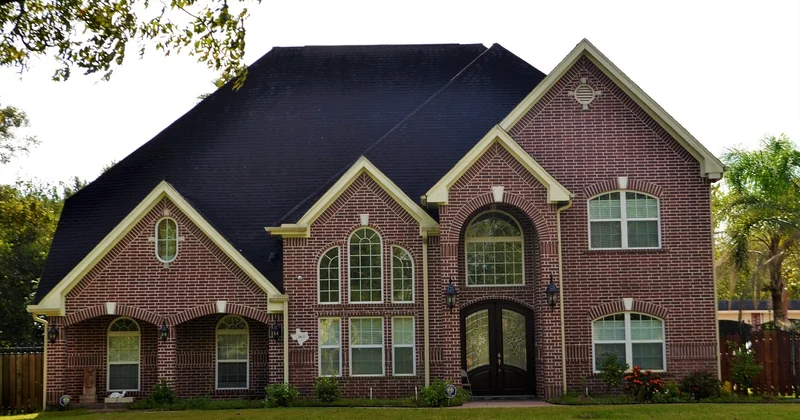
Florida's habitability requirements
Florida statute requires landlords to comply with building, housing, and health codes that materially affect health and safety. Where no code applies, the landlord must still maintain:
- Roofs that don't leak
- Working windows, screens, and exterior doors
- Functional plumbing and running hot water
- Working heating (Florida has no statutory heating standard in the same way cold-weather states do, but the unit must be safe and functional)
- Working smoke detection
- Common areas kept clean and safe
- Reasonable extermination of pests, with some exceptions for single-family homes where the tenant takes on that duty in writing
The exception matters: in Florida, a single-family home or duplex can shift pest control to the tenant if the lease says so and the tenant agrees. In multi-unit buildings, that shift is much harder to enforce.
Repair timelines that actually apply
Here's the part most articles skip: Florida gives tenants a formal process for demanding repairs, and if you fail to respond, they have real remedies.
The tenant serves written notice describing the problem. If the issue is material and you fail to fix it within a reasonable period — generally seven days under the statute, though "reasonable" depends on severity — the tenant can:
- Withhold rent (in specific circumstances)
- Terminate the lease
- Make the repair themselves and deduct the cost
That last one is the one that stings. I've seen tenants hire a plumber for $600 to fix something the landlord could have handled for $150 with a service call. The landlord had no legal ground to complain because the notice was served and ignored.
Emergency situations — no running water, no heat in cold snaps, sewage backups, gas leaks — don't get the full seven-day clock. You need to act within hours.
Entry rules and why they trip landlords up
Florida allows landlords to enter with reasonable notice — commonly 12 hours for non-emergency, and no notice for emergencies. But "reasonable notice" is where landlords get sloppy. A text at 8 a.m. saying "I'll be by this afternoon" isn't always enough if the tenant disputes it.
My rule: 24 hours written notice, always, even when I don't have to. It costs nothing and prevents every entry-related complaint I've ever seen.
Which maintenance services do landlords need the most?
Not all maintenance is equal in frequency or cost. Over the years, I've tracked what actually eats my budget, and the pattern is consistent.
| Service | Typical frequency | Common trigger | Relative cost |
|---|---|---|---|
| HVAC service and filter changes | Every 1-3 months | Filter clogs, efficiency drops | Low (if preventive) |
| Plumbing calls | 1-3 per unit/year | Clogs, leaks, running toilets | Medium |
| Pest control | Quarterly or on-demand | Roaches, rodents, ants | Low-Medium |
| Appliance repair or replacement | Every 5-10 years per unit | Age, tenant misuse | High |
| Roof and exterior repairs | Every 10-20 years major, minor yearly | Storms, age | Very high |
| Smoke detector and safety checks | Annually, batteries twice yearly | Legal requirement | Minimal |
| Turnover repairs | Per vacancy | Wear and tear, damage | Variable |
The services landlords need most often aren't the expensive ones — they're HVAC, plumbing, and pest control. The services that cost the most are roofs and major appliances. And the ones that are most ignored are the cheap, preventive ones.
That last category is where I've lost the most money. I once skipped a $90 HVAC tune-up on a unit because the tenant said everything was fine. Three months later, the compressor died. Replacement: $2,100. The tune-up would have caught the failing capacitor for about $15 in parts.
Building a service network before you need it
The landlords who handle maintenance well aren't the ones with the best handyman. They're the ones who already have a plumber, an electrician, and an HVAC tech on speed dial before anything breaks.
When I started, I had nothing. Every emergency meant calling around, waiting, and paying premium rates. Now I have three trusted contractors and a written agreement on response times. That alone cut my emergency repair costs by roughly a third.
Find them during a slow month, not a crisis. Ask other landlords. Ask your property manager if you have one. Build the relationship when nothing's wrong.
What is the most important landlord responsibility?
If I had to pick one, it's responding quickly and documenting everything.

Not the biggest repair. Not the most expensive fix. The response.
Here's why: nearly every legal dispute I've watched unfold between a landlord and tenant started with a slow response, not a bad repair. A tenant reports a leak. The landlord is busy. Three weeks pass. The tenant gets frustrated, serves a formal notice, and now you're in a statutory process you can't control.
Compare that with the landlord who responds within 24 hours, even if the fix takes a week: "Got your message. Plumber is scheduled for Thursday between 9 and 11. Here's his number if anything changes."
No dispute. No notice. No lawyer.
The documentation habit that saves you
I keep a simple log for every unit. Every maintenance request, every response, every repair, every receipt, every photo. It takes maybe two minutes per entry.
That log has saved me twice. Once when a tenant claimed I ignored a request for months — I had a timestamped reply from 18 minutes after their email. Once when I had to prove to an insurance adjuster when a roof issue was first reported.
Two minutes per entry. Twice it paid for itself many times over.
A preventive maintenance calendar that works
You don't need a fancy system. You need a calendar with recurring entries:
- Monthly: check HVAC filters if the tenant doesn't, verify smoke detectors are intact
- Quarterly: walk the exterior, check for roof damage, gutters, and drainage issues
- Annually: professional HVAC service, water heater flush, replace detector batteries, inspect caulking and seals in bathrooms
- Every 5 years: evaluate major systems — roof, HVAC, water heater, appliances — for end-of-life planning
This isn't busywork. It's the difference between a $200 repair and a $4,000 one. I've lived both outcomes. The calendar wins every time.
Putting it in writing: the lease is your best defense
Everything above only works if your lease reflects it. Vague leases create disputes. Specific leases prevent them.
What to clarify in writing:
- Which repairs the tenant handles — and be specific. Light bulbs, filter changes, minor drain clearing.
- How maintenance requests must be submitted — email or portal, not text at midnight.
- Response timeframes you commit to — "within 24 hours for emergencies, 3 business days for routine."
- What counts as an emergency — no heat, no water, sewage, gas, fire, security.
- Entry notice policy — state your notice period even if the law allows less.
- Damage vs. wear and tear — define both, with examples. This alone has saved me from two deposit disputes.
I rewrote my lease after the roof-leak incident. The new version has a two-page maintenance addendum. It's not pretty, but it's clear — and clarity has cost me nothing while ambiguity cost me thousands.
The bottom line: maintenance is the job
Being a landlord isn't passive income. It's an operating business. The maintenance side — the calls, the contractors, the paperwork — is the business. Treating it as an inconvenience is how owners end up underwater.
But here's the thing nobody tells you: once you build the systems — the service network, the calendar, the documentation habit, the clear lease — the maintenance side gets almost boring. Most months, nothing breaks. When something does, it's handled in an afternoon instead of three weeks of stress.
That's the real return on all this. Not just the money you save. The quiet. The 11 p.m. calls turn into "scheduled for tomorrow morning" instead of panic. Your tenants trust you. Your units stay in shape. Your insurance adjuster never has to ask why you ignored a leak.
And if you're just starting out — take it from someone who learned the hard way: write the lease carefully, build the contractor list before you need it, and never let a maintenance request sit unanswered. Everything else follows from those three things.