
The question lands in my inbox at least twice a week, usually from someone who's been refreshing listing sites at midnight and has worked themselves into a state of low-grade panic. "Is it a buyers or sellers market right now?" And I get why it feels urgent. Buying or selling a home is the largest financial move most of us will ever make, and the fear of getting it wrong by six months is real.
Here's the uncomfortable answer up front: the national housing market right now is two markets wearing the same coat. One is soft, and has been getting softer. The other is stubbornly tight. Which one you're standing in depends entirely on your zip code, your price bracket, and — annoyingly — the month you walk in.
I've watched this split widen over the past year, and I've made my own mistakes reading it. So let me walk you through what's actually happening, and how to figure out your own local answer instead of trusting a headline.
Key takeaways
- There's no single national market — Sun Belt metros lean toward buyers, while much of the Midwest, the Northeast, and coastal California lean toward sellers.
- Inventory has been climbing in many areas, but the jump isn't evenly spread. Some neighborhoods still see multiple offers within days.
- Mortgage rates hovering in the mid-to-high 6% range have quietly reshaped who can afford to move at all.
- Buyers gained negotiating room on inspection repairs and closing costs. Sellers still hold the advantage on price in tight markets.
- The season matters more than most people admit. Late summer and winter favor buyers; spring favors sellers.
- To know your market, track three numbers: months of inventory, days on market, and sale-to-list price ratio.
Why is it a buyers or sellers market right now, and why does nobody agree?
Two well-known economists, Zillow and Redfin, are looking at the same country and describing it differently. That's not a contradiction. It's a timing problem — the market flipped a switch and not everyone noticed when.
Back in the spring, the market was hot. Bidding wars returned in the Northeast, and parts of the Bay Area sold above asking with almost no contingencies. Sellers had the upper hand. By late summer, the same data houses were describing record buyer-friendly conditions — more inventory, longer days on market, more price cuts.
So which is it? Both, depending on when you read the report and where you live.
The seasonal flip nobody warns you about
Housing is seasonal in a way that punishes people who ignore it. Spring brings the most listings and the most buyers, so competition is fierce. Late summer and fall bring fewer buyers but also fewer new listings — and the sellers still around tend to be more motivated.
I made this mistake myself. A few years ago I listed a property in early October, thinking I'd catch the "serious buyers." What I actually caught was a thinner pool, lower offers, and a two-month wait. Same house, listed in April, would have moved faster and higher. That's not a market condition — that's calendar awareness.
So are there more buyers or sellers right now?
At the national level, there are meaningfully more sellers than buyers competing for each listing — the gap has widened through this year. When listings sit longer and more homes go unsold, that's a buyers' market signal, full stop.
But zoom in one neighborhood and the picture dissolves. A well-priced three-bedroom near a good school district in a supply-constrained metro can still draw multiple offers within a week. Meanwhile, a four-bedroom new build forty minutes outside the city might sit for ninety days with three price cuts.
Which brings up the real answer: it's not buyer or seller nationally — it's buyer or seller at your address.
How to check your own local market in twenty minutes
Forget the national headlines. Pull up a real estate site, filter to your target neighborhood, and look at three numbers.

- Months of inventory. Under three months generally favors sellers. Four to six months is balanced. Over six favors buyers.
- Days on market. If homes in your range sell in under two weeks, you're in a seller's market. Over a month, you're not.
- Sale-to-list price ratio. Sales above asking means sellers are winning. Sales consistently below asking means buyers are pulling the strings.
I'll admit, the first time someone showed me this method I thought it was oversimplified. It isn't. It's the fastest way to cut through the noise. Do it for three neighborhoods before you offer on a house, and you'll feel the difference immediately.
Buyers or sellers market by zip code: the regional reality
The national map is patchwork. Some metros are pulling toward buyers, others holding firm for sellers. Here's roughly how it breaks down this year.

| Region | Market lean | What it feels like on the ground |
|---|---|---|
| Sun Belt metros | Buyer's market | Lots of new construction, longer days on market, sellers accepting below-ask offers |
| Midwest | Seller-leaning | Thin inventory, quick sales in desirable school districts |
| Northeast | Seller's market | Persistent shortage, competitive offers on well-priced homes |
| Bay Area / coastal CA | Seller's market | High demand, low supply in core neighborhoods |
| Rust Belt / secondary cities | Mixed, trending buyer | Slower absorption, more room to negotiate |
New Jersey is a good microcosm. Northern NJ suburbs near Manhattan still behave like a seller's market — low inventory, fast sales, and buyers waiving contingencies. Southern NJ and rural areas have softened noticeably. Same state, two different games.
Is it a buyers or sellers market in Los Angeles?
Los Angeles is its own planet. Core neighborhoods on the west side and near the coast stay tight — constrained supply, high demand, and sellers who can afford to wait. But move inland, into parts of the San Fernando Valley or the Inland Empire, and the tone shifts. More inventory, longer listings, and buyers regaining some negotiating room. So the honest answer is: both, depending on which side of the 405 you're on.
Is it smart to sell your house right now?
If you're selling, the calculus has changed — but not always in your favor.
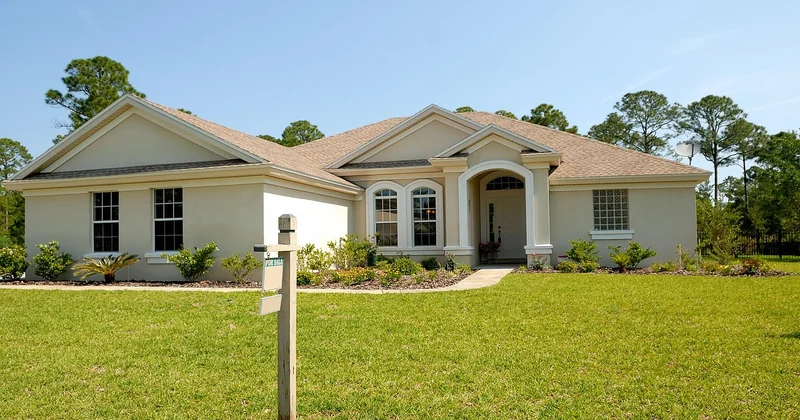
Buyers today have more leverage than they did a couple of years ago, especially in markets where inventory has grown. That means your listing needs to be priced right from day one. I've seen sellers list 5% above market, wait three weeks, then chase the market down with cuts. By the time they adjust, the listing is stale and offers dry up.
What still works: accurate pricing, good photography, and a willingness to negotiate. What doesn't: pricing high and hoping a bidding war bails you out. That worked two years ago. It mostly doesn't now.
The one group with a real advantage is sellers with low mortgage rates who don't need to buy again. They can hold, rent out, or simply wait. For everyone else, the market is asking you to be realistic.
Is 2026 going to be a good year to buy a house?
It depends on what you mean by "good." If you mean "will prices crash and let me buy cheap," probably not — most markets have held their value despite slower sales. If you mean "will I have more choices and less competition than in the frenzy years," then yes. Inventory has loosened in many areas, and buyers who are patient can find real concessions.
My honest read: this is a workable year to buy if you're planning to stay put for five-plus years. It's a rough year to buy if you're flipping or counting on short-term appreciation.
Is it a good time to buy a house now or wait?
Waiting makes sense only if you have a specific reason to expect better conditions. Most people don't. Rates are unpredictable, and prices in tight markets may not fall at all. What you can control: your down payment, your credit score, and how well you understand your target neighborhood.
The buyers I've seen win this year weren't the ones who timed the market perfectly. They were the ones who knew their local numbers cold and made clean, confident offers.
When will it be a buyers market or a sellers market again?
Nobody can call the exact month, and anyone who does is guessing. But the direction of travel is visible. The market has been tilting toward buyers in most regions for over a year, and that tilt usually continues until something forces it to reverse — typically a sharp drop in mortgage rates that pulls sidelined buyers back in, or a spike in new construction that overshoots demand.
Both of those are possible in the next year or two. Neither is guaranteed. If you're waiting for the "perfect" moment, you may be waiting past the point where your personal situation makes it worthwhile.
The honest answer to a question that pretends to have one
The question "is it a buyers or sellers market right now" is the wrong question. It assumes a single, stable condition that applies to everyone equally. What actually exists is a patchwork — one neighbor negotiating repair credits, another fielding three offers above asking, on the same street, in the same month.
The most useful thing you can do is stop looking for a verdict and start looking at your own zip code's numbers. Months of inventory. Days on market. Sale-to-list ratio. Those three data points tell you more about your situation than any national headline ever will.
And if you take nothing else from this: the market doesn't reward people who wait for certainty. It rewards people who know their local terrain well enough to act when the moment is right for them.