
Two weeks before closing on my first house, my loan officer pulled up my file and said the words every buyer dreads: "Your file just took a hit." A store card I'd forgotten about had reported a 30-day late payment. I didn't lose the house — but I lost the interest rate I'd been quoted. The difference worked out to about $40 more per month, roughly $14,000 over the life of the loan, all because of a timing mistake I didn't know existed.
That experience taught me more about how to improve your credit score before buying a home than any guide I'd read up to that point. So let me walk you through what actually moves the needle, what's just noise, and — most importantly — the timing nobody explains clearly enough.
Key Takeaways
- What matters most is when each action takes effect: some changes show up in days, others take months.
- Mortgage lenders care about specific score thresholds: 580 for FHA, 620 for conventional, 740+ for the best rates.
- Paying down a card helps your score after the statement date, not the payment date — the timing trips up almost everyone.
- Closing old accounts or opening new ones before a mortgage application does real damage.
- A 100-point jump in a few weeks is possible only in specific setups, not as a general rule.
The deadline nobody tells you: how long you actually have
Here's the part that frustrates me most about this topic. Nearly every article tells you what to do, almost none tell you the calendar you're working with. If you're buying a house, your lender pulls your credit report at a very specific moment: typically when you apply for pre-approval, and again right before final underwriting. Those are the two checkpoints that matter.
So the real question isn't "what improves a score?" It's "what can realistically change in the window I have left?"
What changes in days, and what takes months
Cards report to the bureaus roughly once a month, usually on or shortly after your statement closing date. That's the single most misunderstood mechanic in personal finance. If you pay a balance down on the 5th but the statement closes on the 20th, the bureau sees your old balance — and your utilization ratio stays ugly for another cycle.
- Days: a lower reported balance, an error removed via dispute, a rapid rescoring request from your loan officer
- Weeks to months: a late payment fading in impact, an old account aging, new credit inquiries losing their sting
- Six months to years: payment history length, derogatory marks dropping off entirely
I'll admit something: when I started learning this, I assumed "pay on time" was the whole game. It isn't. My mistake that cost me that first rate wasn't a missed payment — it was a payment made after the statement closed, which the creditor reported as late. The lesson stuck.
How to immediately improve your credit score
Strip away the marketing and there are really only a handful of levers that move a score fast. Which brings up an obvious problem: "immediate" means different things to different lenders.
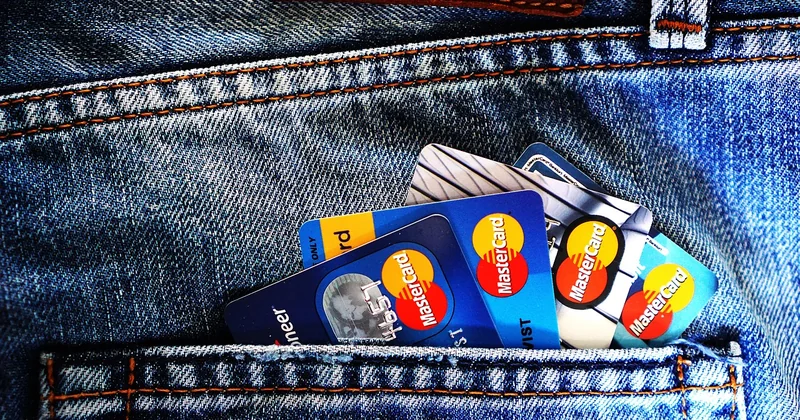
The utilization trick that works in one cycle
If you're carrying balances above 30% of your limit, getting under that threshold can produce a visible bump at your next statement. Getting under 10% does more. This is the closest thing to a genuinely fast fix.
The mechanics: total up your balances, divide by your total limits. Then pay down the card that's closest to maxed first, because the bureaus look at both overall utilization and per-card utilization.
Rapid rescoring: the tool borrowers forget
This one is genuinely underused. A rapid rescoring is a service your mortgage loan officer can request when a specific account is updated correctly. It's not a magic fix and it isn't free — the lender typically passes on a fee. But when a paid-off card or a corrected error needs to show up before underwriting, it can compress weeks into days.
Ask your loan officer, not a credit repair company. That distinction matters. Independent "credit repair" firms charge monthly and often do things you can do yourself for nothing.
How can I raise my credit score to 100 points?
Let me be blunt, because you deserve an honest answer rather than a sales pitch: a 100-point jump is achievable, but almost never through one trick. It usually comes from stacking two or three changes at once — dropping utilization from 60% to under 10%, removing a recent derogatory mark, and letting a batch of new inquiries age out.

Where it does happen fast is when a score sits in the lower band. Going from 520 to 620 is far easier than going from 680 to 780, because the lower band reflects a couple of fixable problems, not decades of clean history.
Where I've seen people get burned is expecting that jump overnight. Realistically, meaningful movement takes one to three statement cycles, and a fuller rebuild takes six months of consistent behavior.
How long does it take to get a credit score from 500 to 700?
For most people, expect six months to two years, with the honest midpoint somewhere around twelve to eighteen months. The variable isn't effort — it's what's dragging the score down in the first place.
| Main issue holding the score down | Typical realistic timeline |
|---|---|
| High utilization only, clean history | 3–6 months with aggressive paydown |
| One or two late payments, otherwise clean | 12–18 months as the marks age |
| Collections or charge-offs, partially resolved | 18 months to 3 years |
| Recent bankruptcy | Multiple years — plan around it, don't fight it |
If you're on this timeline and hoping to buy in three months, the smarter move isn't a fast fix — it's adjusting the purchase plan. A mortgage professional can tell you what loan type you'd qualify for at your current score and what it would cost. Sometimes waiting six months saves more than the rent you'd pay in the meantime.
How can I raise my credit score 30 points quickly?
Thirty points is a different beast entirely. This is often within reach in a single cycle, and I've helped friends do exactly this before applying for a car loan.
- Pay every card to under 10% utilization, timed so the lower balance hits before the statement closing date.
- Dispute any error you find. A surprisingly large share of reports contain at least one.
- Don't open anything new for at least 90 days before your application.
- Ask for a goodwill adjustment on a single late mark — sometimes a polite letter to the creditor removes it.
The fourth one is a long shot, but it costs you a stamp. I've seen it work exactly once out of maybe six attempts. Worth trying, not worth counting on.
The pre-purchase mistakes that quietly wreck deals
This is where I've seen more damage done than anywhere else — and it's completely avoidable.
- Financing a car between pre-approval and closing. This is the classic killer.
- Closing a long-held, unused credit card. It shortens your history and can spike utilization.
- Co-signing a loan for a family member mid-process. Their balance becomes your risk.
- Applying for new retail cards to capture a sign-up discount.
- Making large, unexplained bank deposits that raise underwriting questions.
Every one of these can force a second credit pull and change your rate. Wait until the keys are in your hand.
Where to actually start, if you're buying soon
Should I freeze my credit during the process?
A freeze prevents new hard inquiries, which can help. Just remember to lift it before your lender pulls your report — a frozen file will delay underwriting.
Do free score services show the score my lender sees?
Not always. Consumer scores and mortgage scores are often calculated differently. Ask your loan officer for the lender-pulled figures so you're comparing apples to apples.
If I had to reduce everything here to one piece of advice, it's this: treat your credit report like a document with a deadline, not a number you hope improves. Pull it, find the two or three things actually dragging it down, and work the calendar backward from your closing date. The 30-point fix and the 100-point rebuild use the same levers — only the amount of time you have changes the strategy.
And if a lender tells you your score took a hit days before closing? Ask why, in writing. Sometimes it's real. Sometimes it's a reporting artifact you can resolve in a week. I learned that one the expensive way.